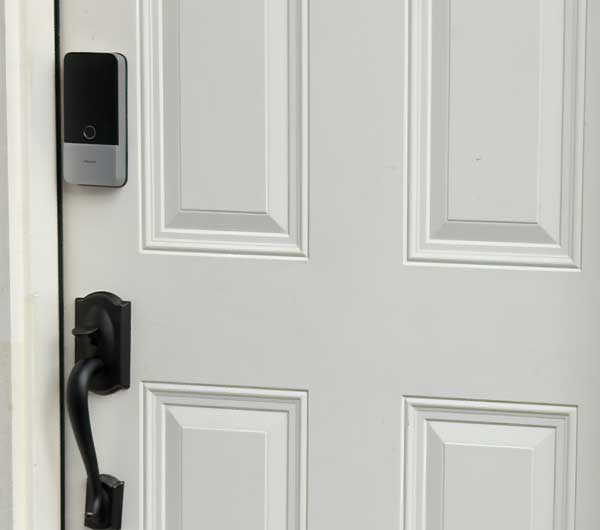
Hey I know that we’re only in month three of 2026 and there are new products being introduced all the time. However, Aqara came out with a banger of a smart lock, the Aqara U400 that has now raised the bar.
It actually dethroned my previous favorite smart lock of all time, the Lockly Visage Zeno on one of my doors.
Why is the Aqara U400 so cool?
The Aqara 400 is the first available smart lock to support UWB (Ultra Wide-Band) here in the U.S. This technology enables you to unlock your door just by approaching it with your phone in your pocket or Apple Watch on your wrist. I’m not talking about waving your phone or watch in front of the lock (that’s Apple Home Key technology which this lock supports too), no I mean just having a compatible device on you.
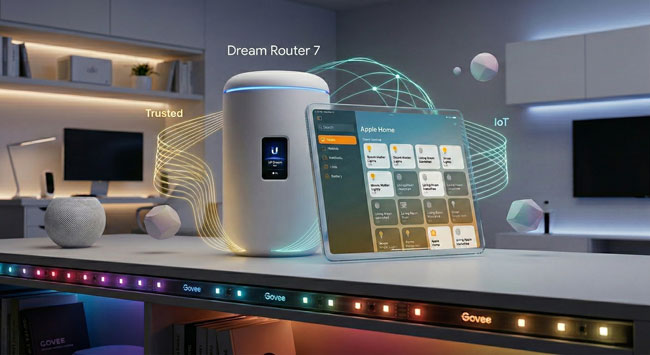
If you followed that original video, you might have noticed that newer accessories (like Govee Matter lights) pair successfully but then inevitably throw a dreaded “No Response” error in the Apple Home app a few minutes later.
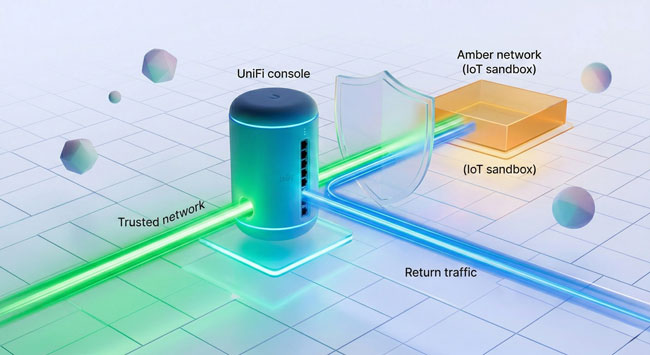
After diving deep into the latest UniFi OS updates and the strict networking requirements of the Matter protocol, I’ve completely overhauled my UniFi configuration. We are ditching the tedious port-specific firewall rules and fixing the multicast settings that are silently breaking your smart home.
This is important: While I initially visualized this setup around a UDM-Pro, UniFi’s form factors have diversified. But whether you have a cylindrical Dream Machine or Dream Router, or a rack-mount Dream Machine Pro, Pro Max, or next-gen Gateway, they all run the exact same UniFi OS, and this guide is the definitive update for all of them.
Here is the bulletproof way to configure your modern UniFi gateway for Apple Home, Home Assistant, Homey Pro, and Matter.
1. Ditch the Port Rules for “Stateful” Firewall Rules
In my original video, I had you create a Network Object for specific ports (80, 443, and 5353 for mDNS) and build rules around them. Delete those rules.
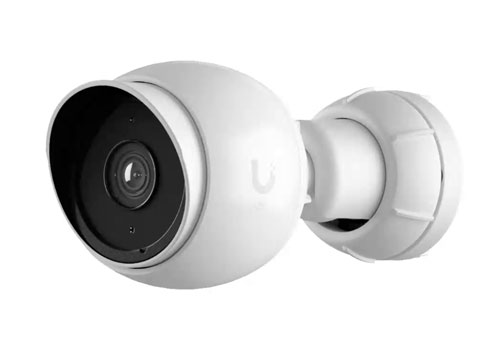
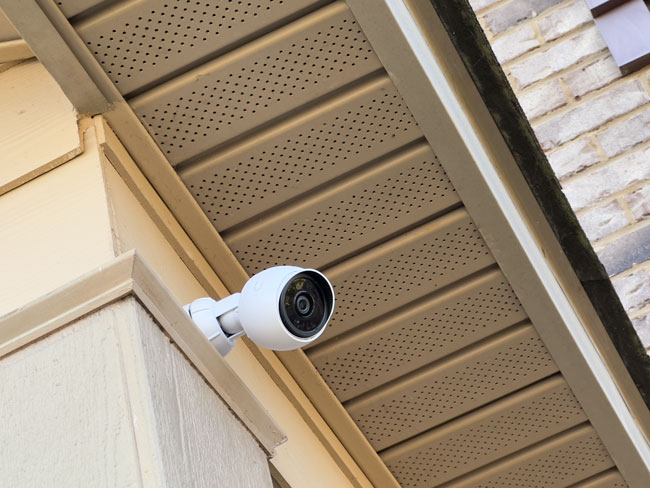
Unifi Protect G5 Bullet POE Camera under my front awning.
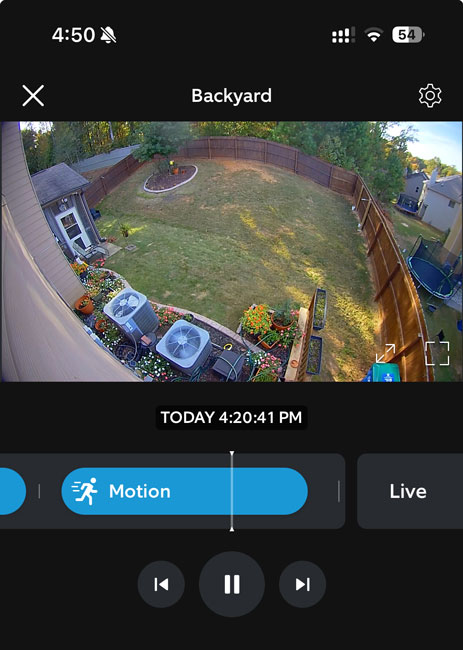
I’m a fan of having security cameras around my property that allow me to look at my surroundings at any time, day or night, and best of all, when I’m traveling. I’ve used various cameras/brands over the years, and at one point, I had cameras from Ring, Google, Logitech, and Eufy simultaneously. While I had each camera for a different reason and feature set, it was really a mess. Of course, each camera had its own app, and the only thing that made this setup bearable was that I could bring them all into Apple Home to see them all simultaneously.
In My Experience, Event-based Cameras Suck!
Ring Floodlight Cam Events
The first cameras to get booted were the Logitech Circle View cameras. While these cameras tend to work well most of the time, they were the flakiest when it came to staying connected to WiFi. They required regular reboots because of regular WiFi disconnects. The second problem is that while they worked natively with Apple’s Home and HomeKit Secure Video, this means that they only recorded if they thought an event was taking place. This sounds reasonable. If something triggers the motion sensor, it should start recording. The problem with “event-based cameras” is that sometimes they miss events. In other words, when you go back to look at the footage at a time when you know something happened, the clip is nowhere to be found because it didn’t record.
A prime example of this was when a very large package arrived at my house by mistake, and it was for a neighbor. I informed my neighbor that their package was next to my garage and that they could pick it up anytime. While my neighborhood is relatively safe, I still wanted confirmation that the right person took the package. When I went to review the footage from the Ring cam, the package was there one second, and the next, it was gone. There was no recording of the package actually being taken. This package was so big that it would have taken two people to carry it. So it’s not like it didn’t record the event because it was grabbed quickly. This is when I realized just how much event-based recording sucks! They are hit-and-miss.
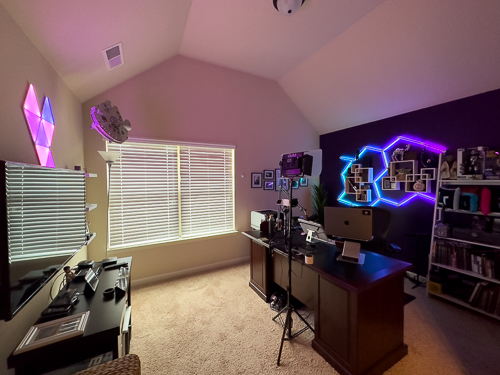
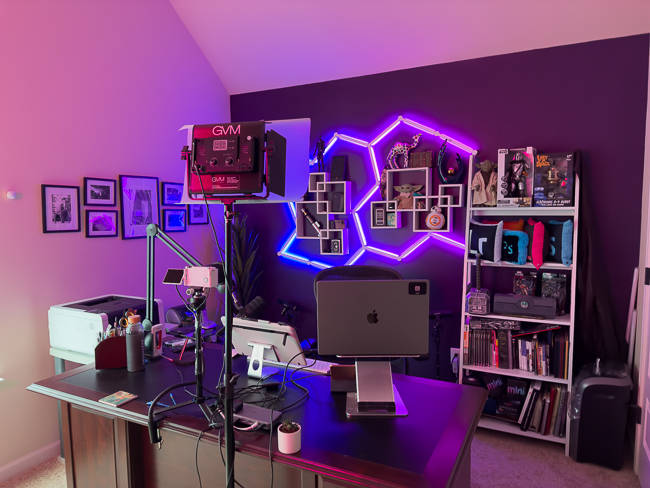
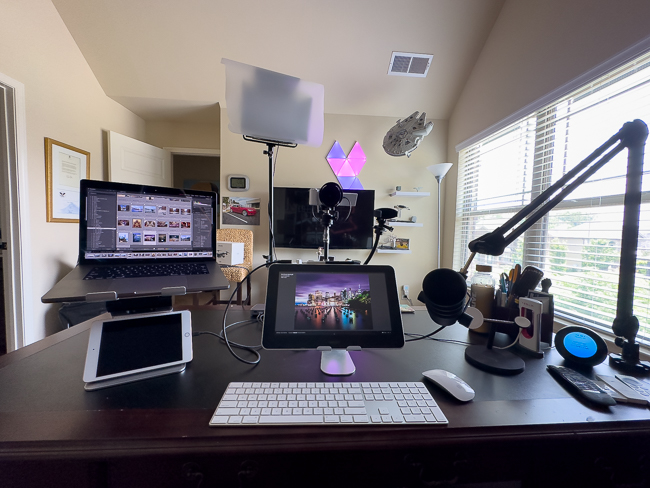
I’ve worked from home most of my career. Having a great home office setup for me is very important. We had the Forth of July week off, and I took this opportunity to revamp my home office setup. This included some cleaning, decluttering, and painting.
This is the office that I use to do offices work, remote meetings and record tutorials.
I posted some pics of my new setup, and my followers insisted I do a video tour.So I recorded one that you can check out here.
Although I put links to all the gear in the description of the video, I putting in this post for your convenience as well:
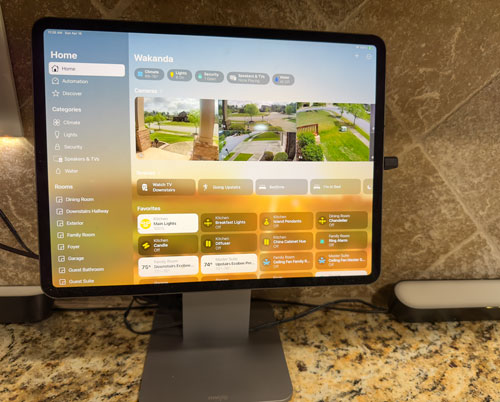
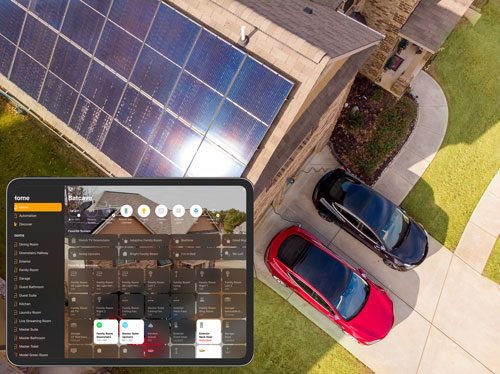
Ever since I ventured into the realm of smart homes in 2016, upon moving into my newly constructed abode, I’ve been managing a variety of gadgets such as thermostats, garage door openers, security cameras, alarm systems, and more, all via the Apple Home app on my mobile devices and Mac.
My smart home journey has been a constant evolution. Over the years, some devices have proved their worth and remained constant companions, like my trusty Lutron Caseta products. Others have given way to innovation, like my August WiFi smart locks, which have since been replaced with the more advanced Schlage Encode Plus locks.
Back in 2021, I shared my first smart home tour video. I skipped the 2022 tour, but I’m excited to announce that I’ve returned with an upgraded Smart Home Tour Video for 2023!
In this new video, I didn’t get into every single device I use. Instead, I focused on showcasing the new additions to my home automation ecosystem and the devices I’ve phased out. Nonetheless, I thought it would be a good idea to provide a comprehensive list of all my smart home devices right here:
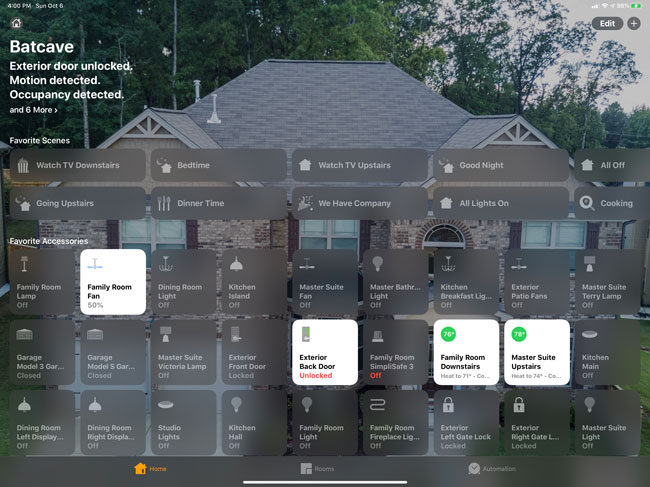
I’ve been building out my smart home since 2016. I use all three leading smart home platforms: Apple HomeKit, Amazon Alexa and Google Home and while each one has its advantages, Apple HomeKit is my platform of choice as it does the most. While just about any device can be controlled via an app, what makes a smart home really smart is when you can control multiple devices with a single voice command, scene or automation. With HomeKit I have automations setup like “Going Upstairs” which locks the entry doors, turns off the patio fans, turns off the family room lights and fan, turns on the hallway lights, changes colors of the Hue lights in the bedroom, makes sure the garage doors are closed, arms the alarm “home”, closes the blinds and turns off the TV downstairs. There is no other platform besides HomeKit that would let me do all of those things using devices from so many different manufacturers, with one command.
I wanted to create this video last year and then the pandemic hit and I decided to postpone it. I finally sat down to create it and here it is:
Although I put the links to everything in the video description, there is a character limit and I couldn’t go into much detail. Therefore I’ve also put the descriptions and links to each product below:
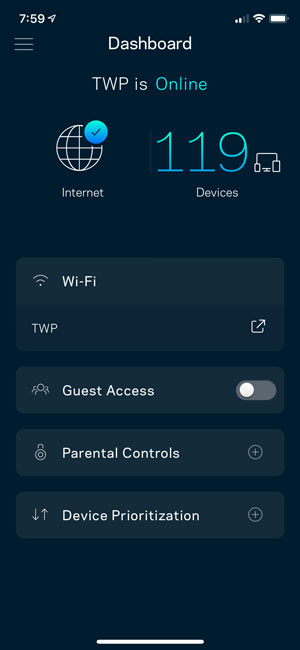
I can’t believe that it has been almost two years since I moved away from my Apple AirPort Extreme WiFi routers. You can see my original Linksys Velop review from May 2018 here. I grew my original three node Tri-band Linksys Velop network to five nodes that year and it worked pretty well for me. However, I’m a speed freak. I want the fastest possible network speeds that I can get and I zero tolerance for dead spots. I have a fairly large network with anywhere from 110 to 130 devices connected at any given time. I also have a smart home and stable fast WiFi is a must for a smart home to function successfully. This need for speed lead me to look at the NEW Linksys Velop WiFi 6 Mesh Router.
The Linksys Velop WiFi 6 Mesh Router is a BEAST!
It’s not only significantly larger in size, but it also improves upon the Velop Tri-band Mesh Router in every way. The specs are mouth-watering.
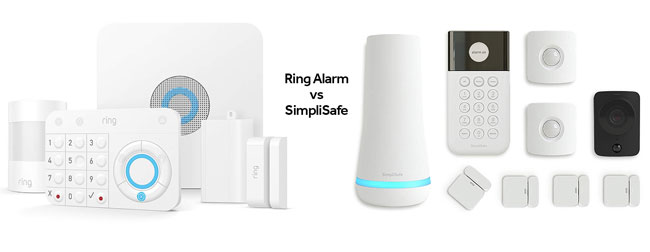
It was just one month ago that I wrote a review of SimpliSafe. While I do still stand by that review and everything I said, I have actually switched to Ring Alarm! It’s rare that after I do my research and make a tech decision that I end up switching to something else so soon after, but this is one of those cases.
I’ve been into home automation and smart home gear for years. I really got serious about it when we built a new house in 2016. A new house meant being about to start from scratch with the best solutions for every aspect of home automation that I wanted. When you talk smart home the usual suspects come to people’s minds: lights, cameras, thermostats, locks, security systems, shades/window blinds, garage door openers, etc. Beyond simple control from your smartphone, smart home automation is really about Scenes and Routines. It’s about using one verbal command, or press one button or come home and have a series of things happen.
This is when picking a smart home platform comes into play
My house was built in 2016. Back then I went with the security system that had been partnered with the builder. It turned out to be Alarm.com and later was acquired by Brinks. The system itself did its job. I was even able to set it up so that it could be armed via my voice by Alexa, Google Home and their mobile app. The system was basic and covered all the entry doors as well as a motion detector. It included a panel on the wall and this panel had the siren built-in as well as a cellular connection to the monitoring service. That’s it.
Why I switched from a system that I had paid off to one that I would have to buy from scratch?